
Organic fertilizer in 3 hours, not 3 months
Buffalo Fertilizer is made from local organic waste, mainly chicken manure from Namib Poultry. Our enzyme process turns it into a stable, mature fertilizer in about three hours. Traditional composting takes three to six months and loses half the nutrients on the way.

Core technology: enzyme composting
Developed and patented in Taiwan, the process replaces slow microbial composting with enzymes. A custom enzyme formula, grown from patented strains and tuned to each kind of waste, stabilises and matures the material more than 100 times faster.
It runs sealed in a bioreactor, so there is no smell and no wastewater, and it works on almost any organic waste: manure, plant residue, kitchen waste and more.
Held at 80 °C for at least 30 minutes, which kills pathogens, insect eggs and weed seeds.
Against traditional composting
| Hafa Peak | Traditional compost | |
|---|---|---|
| Time to mature | 3 to 4 hours | 3 to 6 months |
| Carbon and nitrogen | Over 90% kept | Over 50% lost |
| Organic matter | Over 90% kept | Over 50% lost |
| Pathogens and insect eggs | 99% killed | Not controlled |
| Carbon footprint | One ninth | Months of methane and CO₂ |
| Site | Small sealed plant, no smell | Large open yard |
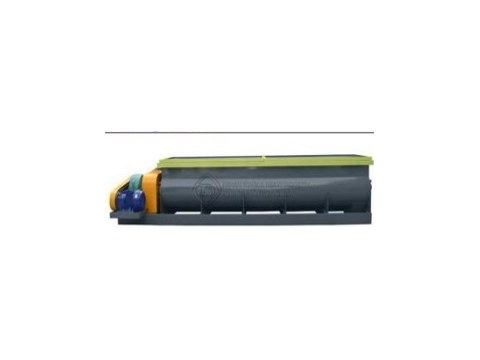
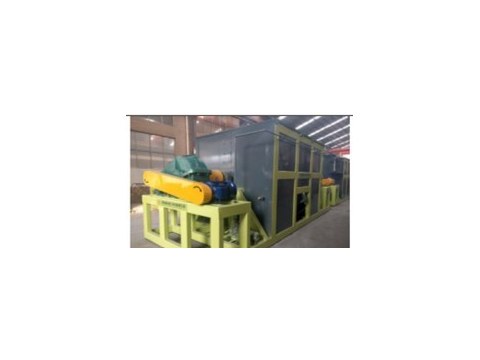
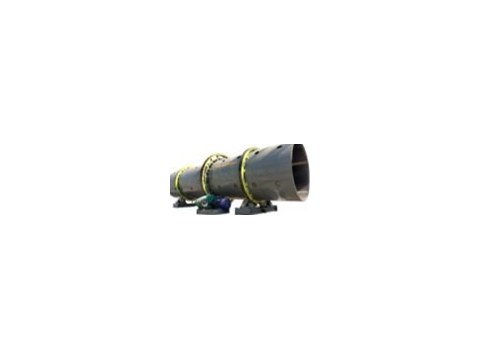
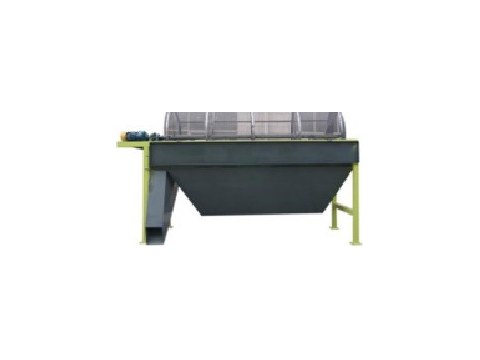
How it's made
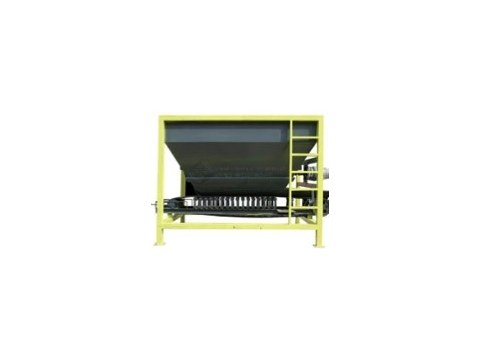
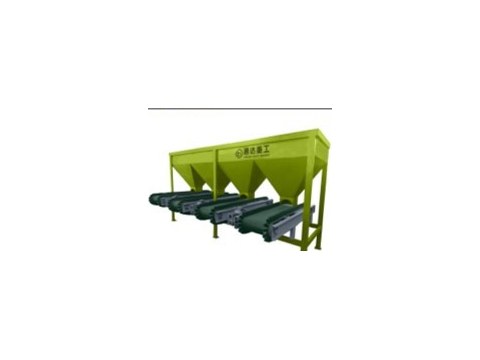
Collect
Chicken manure from Namib Poultry, plus plant residue and other degradable waste from nearby.
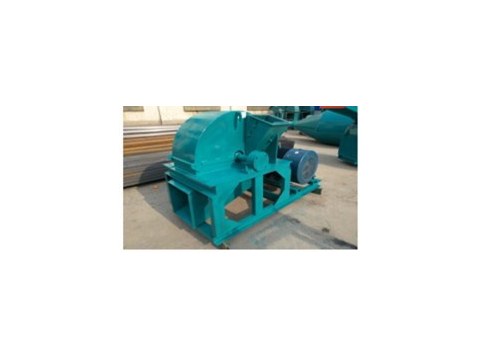
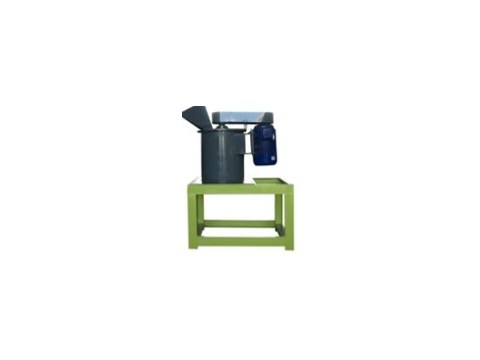
Shred
Crushed to a fine, even size so the enzymes reach every particle.
Bioreact
The enzyme formula matures each batch in about 3 hours at 80 °C.
Screen
A rotary screen takes out oversize pieces for an even product.
Pack
Bagged as powder or pressed into pellets, in 2 kg and 25 kg bags.
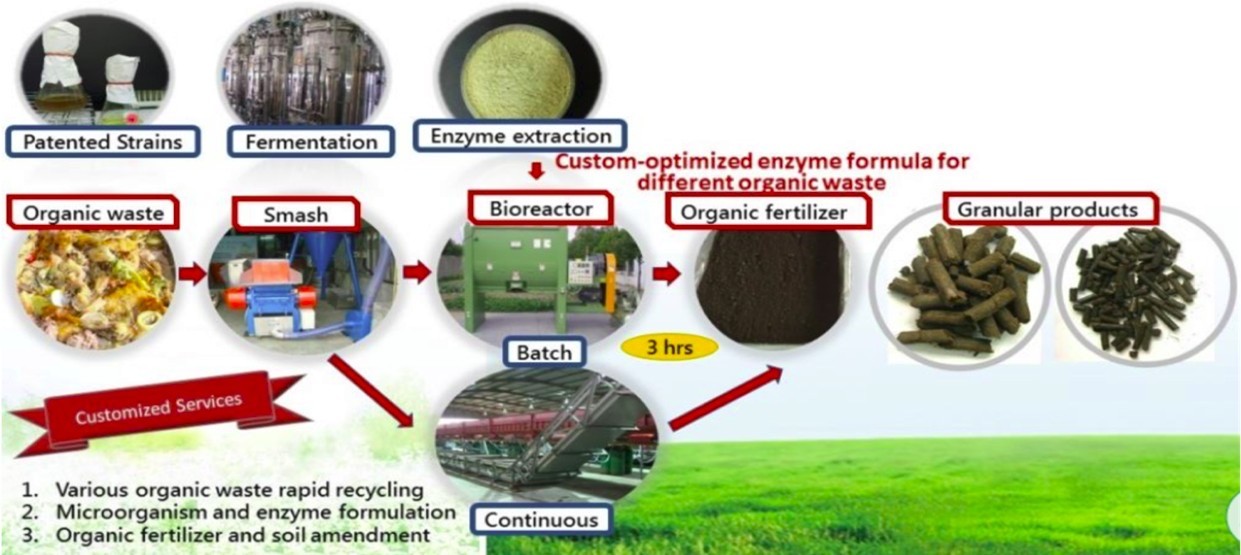
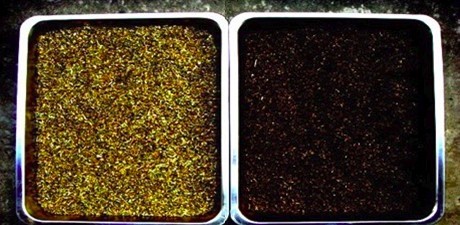
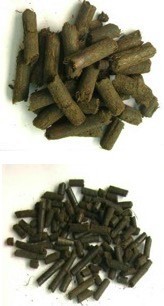
Any organic waste, in hours
Drag across each photo to see the same waste before and after the enzyme process.
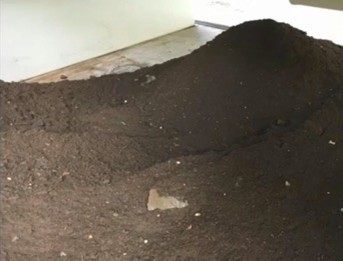

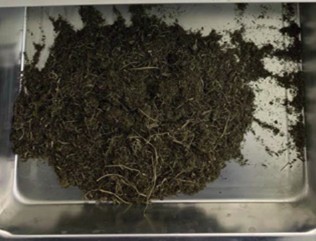
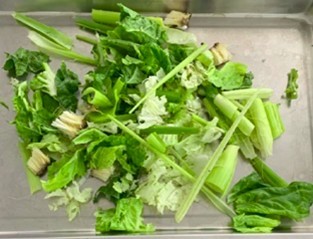
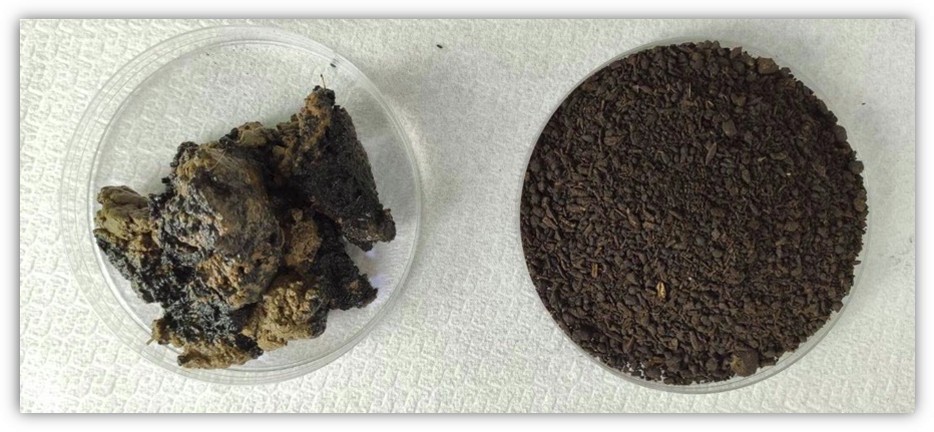
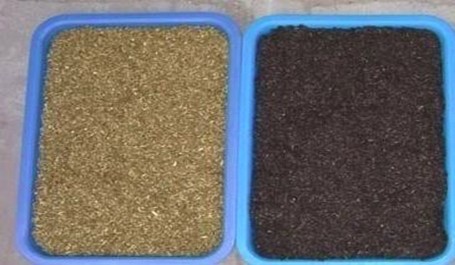
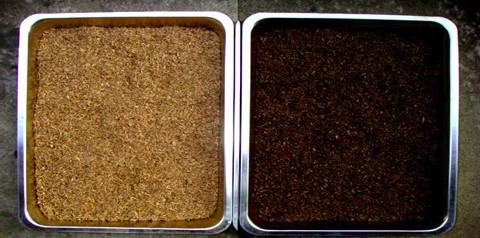
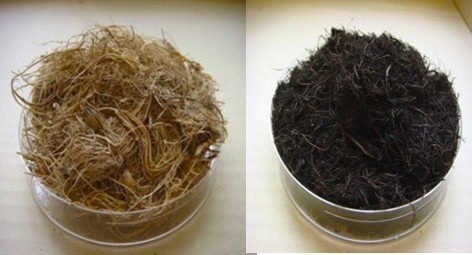
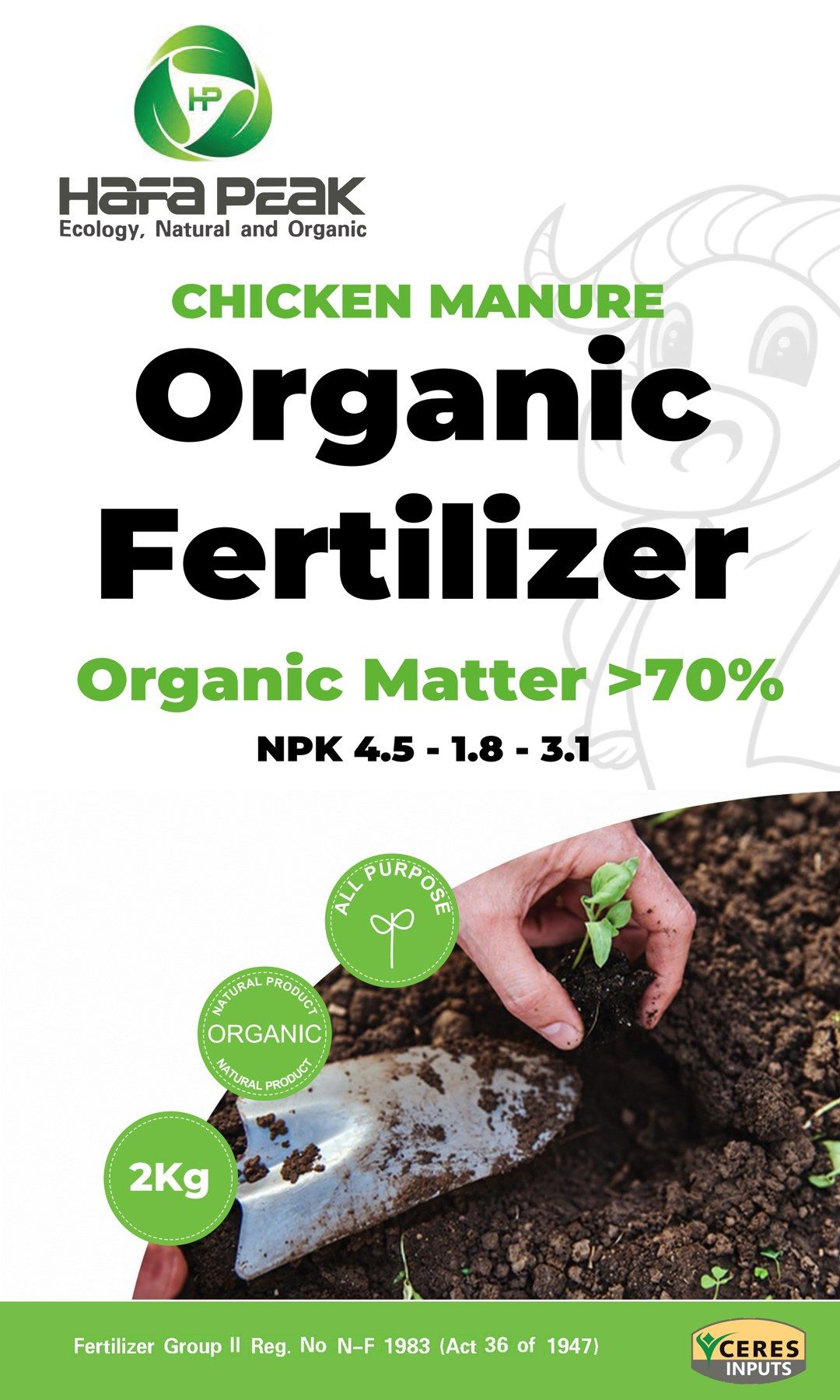
Chicken manure, all purpose
Organic Fertilizer
2 kg
25 kg
- Organic matter
- Over 70%
- N – P – K
- 4.5 – 1.8 – 3.1
- Amino acid
- Over 25%
- Form
- Powder or pellets
- Application
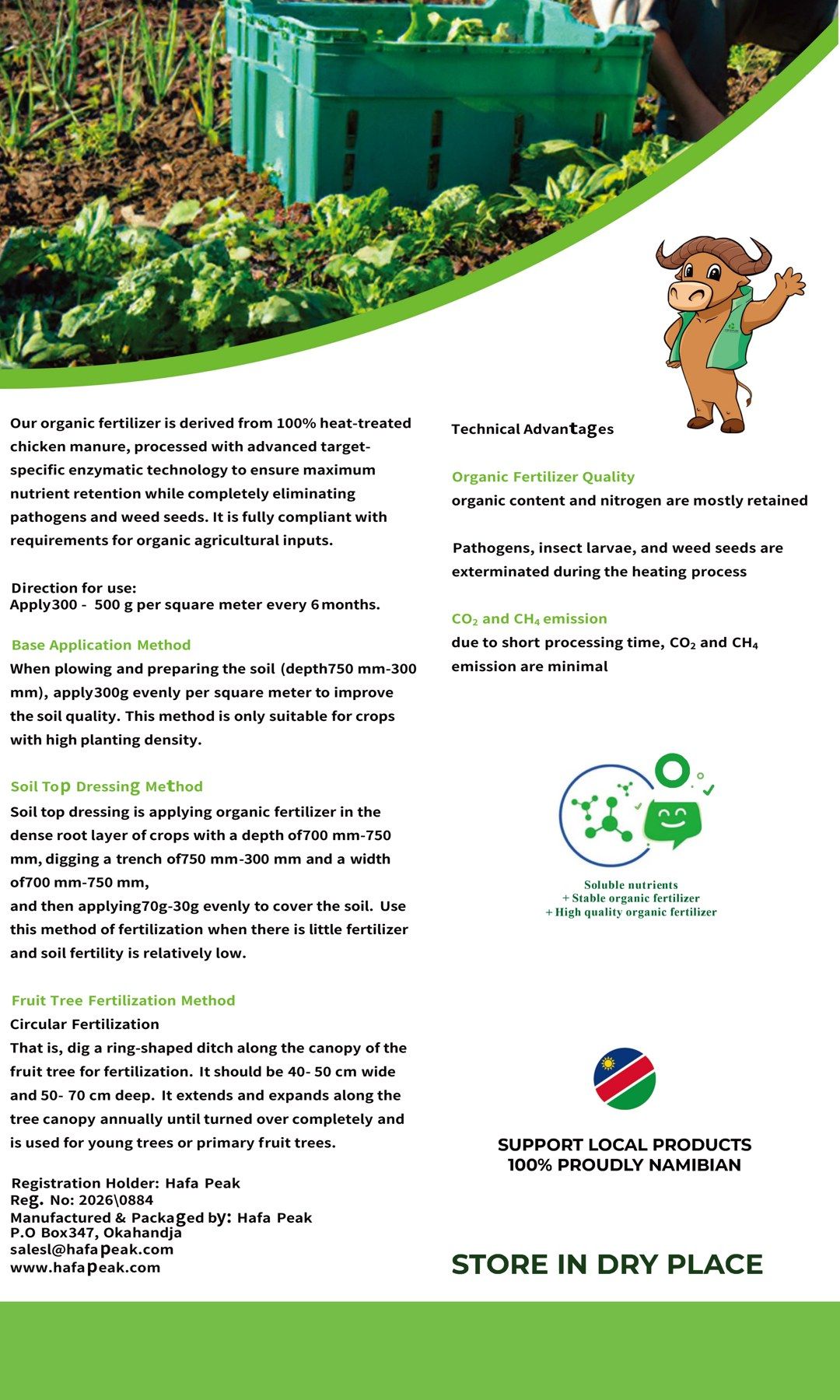
- 300–500 g per m², every 6 months
- Storage
- Keep in a dry place
Fertilizer Group II, Reg. No. N-F 1983 (Act 36 of 1947). Registered with the Ministry of Agriculture, Water and Land Reform.
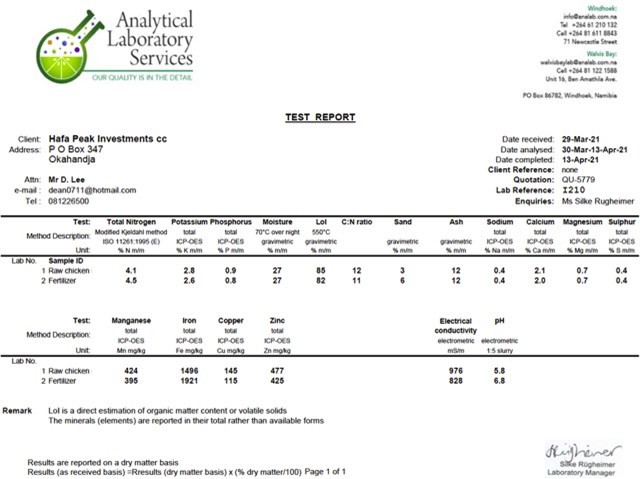
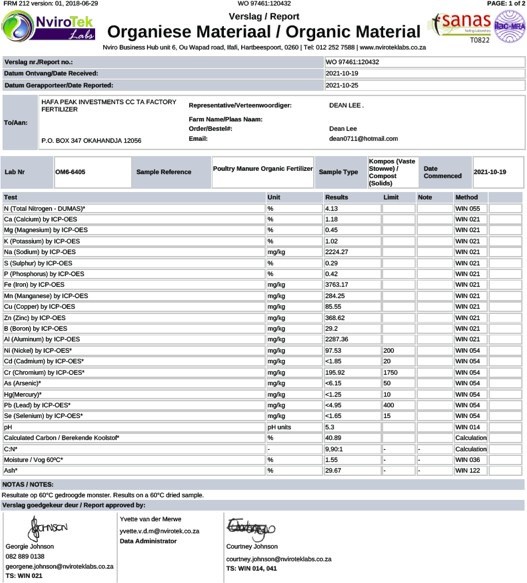
Typical analysis
- Nitrogen
- 4.13%
- Phosphorus
- 0.42%
- Potassium
- 1.02%
- Calcium
- 2.0%
- Magnesium
- 0.7%
- Sulphur
- 0.29%
- Iron
- 3.76%
- Zinc
- 0.37%
- Manganese oxide
- 0.40%
- Copper
- 0.10%
- Boron
- 0.03%
- C:N ratio
- 10:1
- pH
- 5.3–6.8
- Moisture
- 15–22%
Tested by Analytical Laboratory Services in Windhoek and by NviroTek Labs, a SANAS-accredited laboratory. We also analyse customers' soil and can blend fertilizer to suit it.
What it does
- Feeds crops a full range of nutrients and improves the quality of the harvest.
- Builds soil structure, so soil holds water and nutrients for longer.
- Repairs hard, compacted and saline soil.
- Strengthens roots and helps plants stand up to cold, drought and pests.
- Feeds the soil's microbes and makes chemical fertilizer work harder, so you need less of it.
Field results
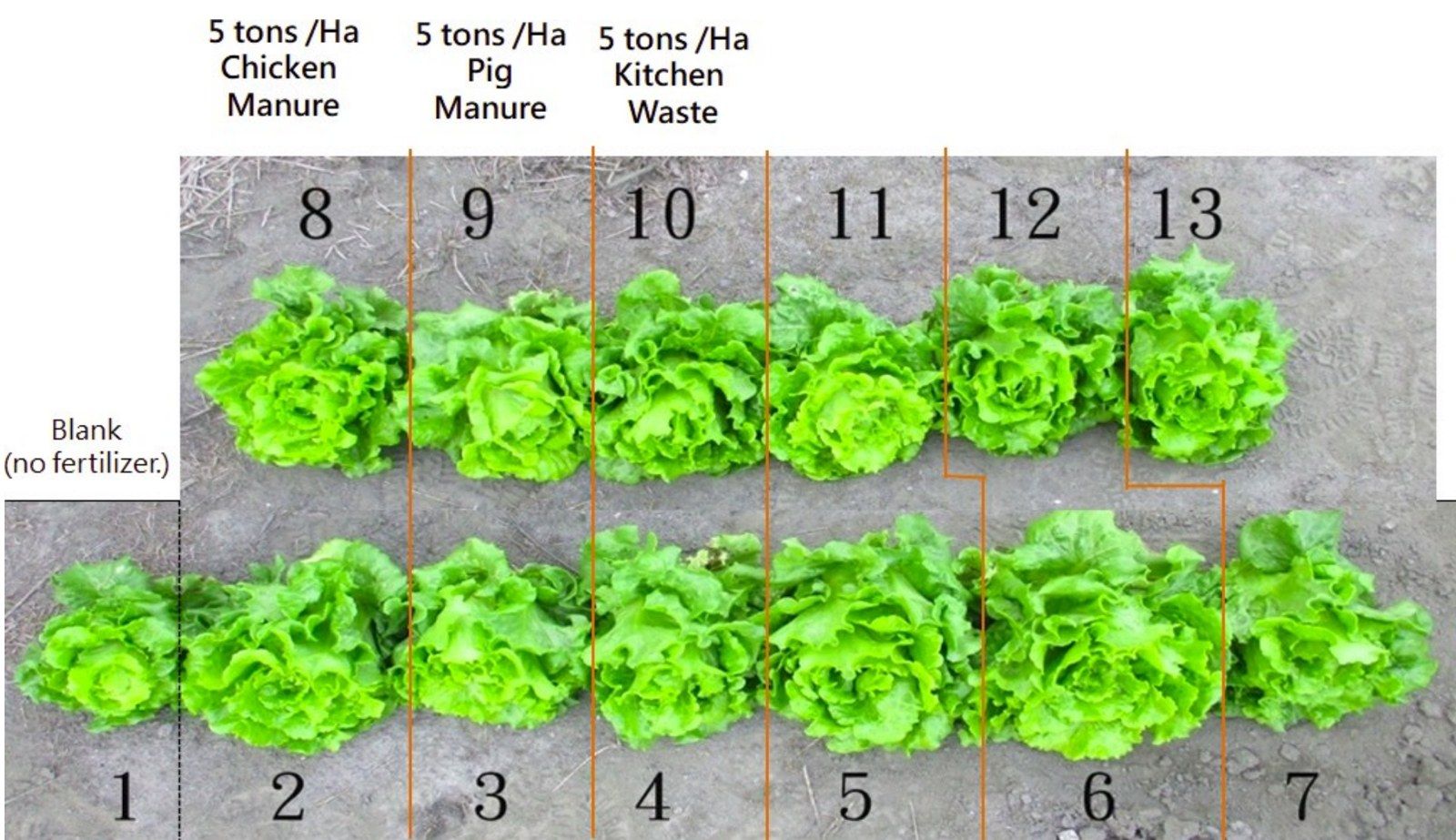
Lettuce: Hafa Peak compost in the front row, traditional compost behind.
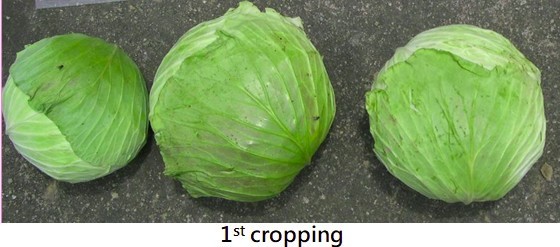
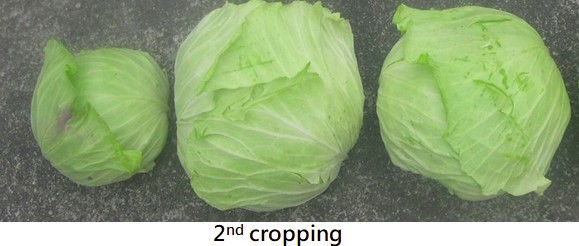
Cabbage, weight per head, second crop
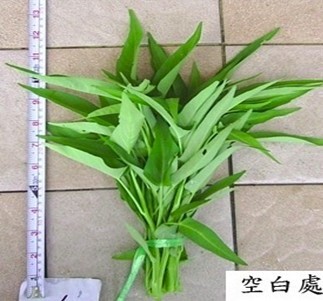
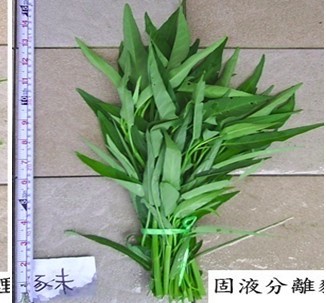
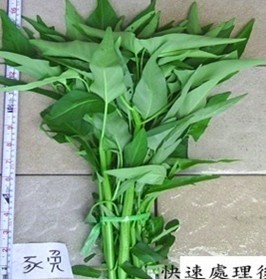
Water spinach, average weight
How to apply
Base application
When ploughing, spread 300 g per square metre evenly through the top 150 to 300 mm of soil. Best for densely planted crops.
Top dressing
Dig a trench 100 to 150 mm wide in the root zone, spread 10 to 30 g per plant and cover with soil.
Foliar spray
Mix 1 part fertilizer with 100 parts water, let it stand for 12 hours, filter, and spray the leaves on a calm evening.
Fruit trees
Apply in a ring trench under the edge of the canopy, in trenches running out from the trunk, in strips between rows, or in holes beside each plant.
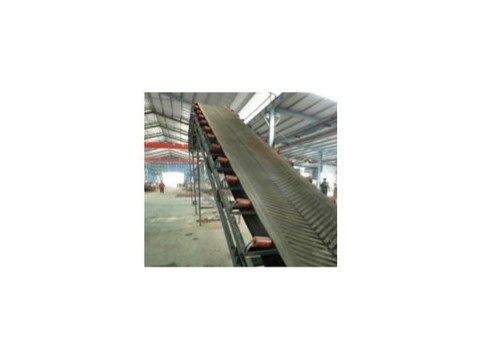
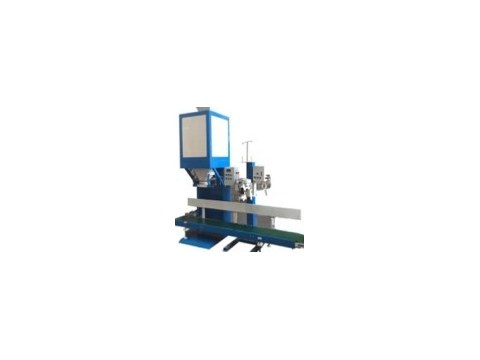
Our production line
Grown with it in Namibia
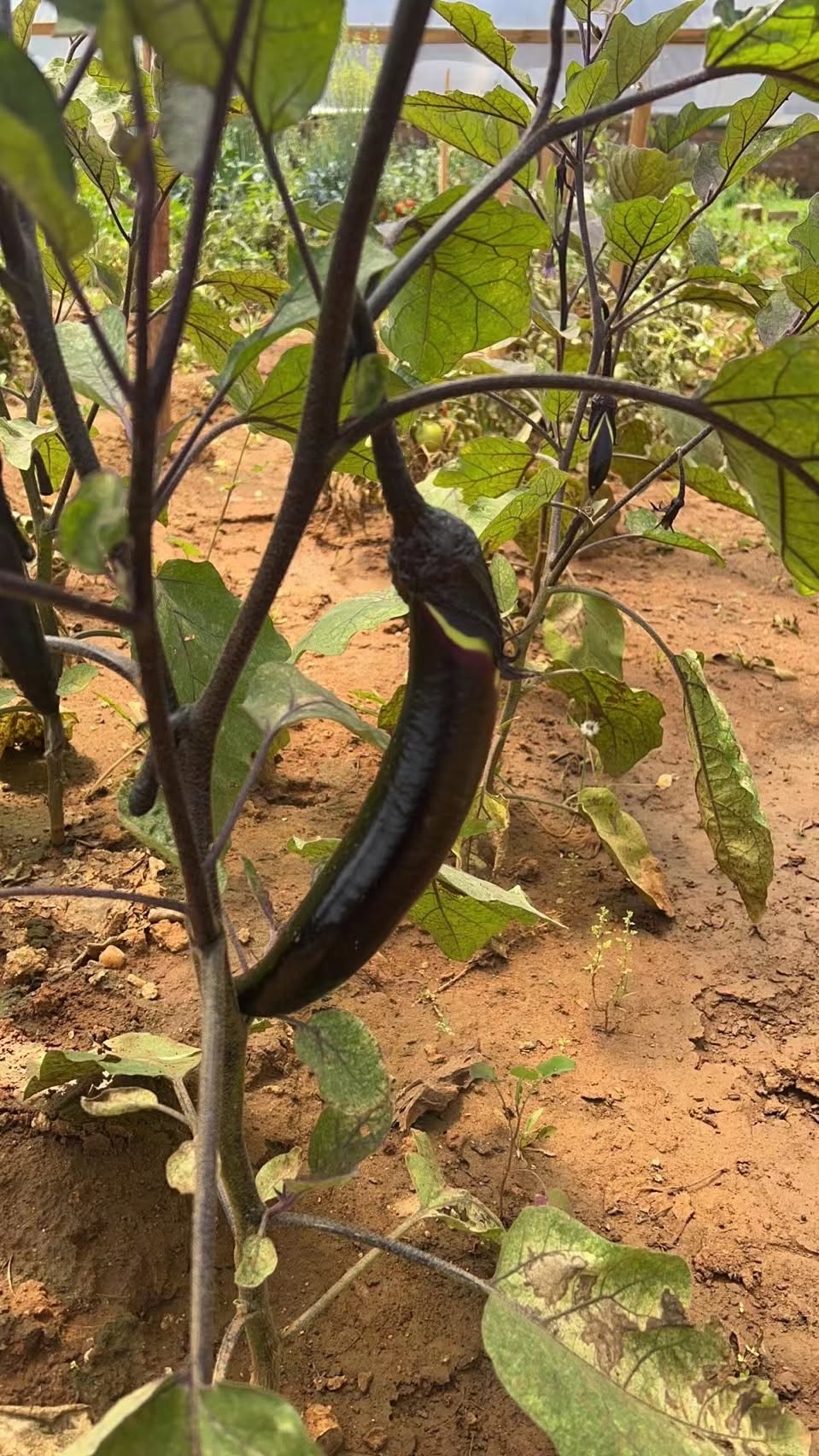
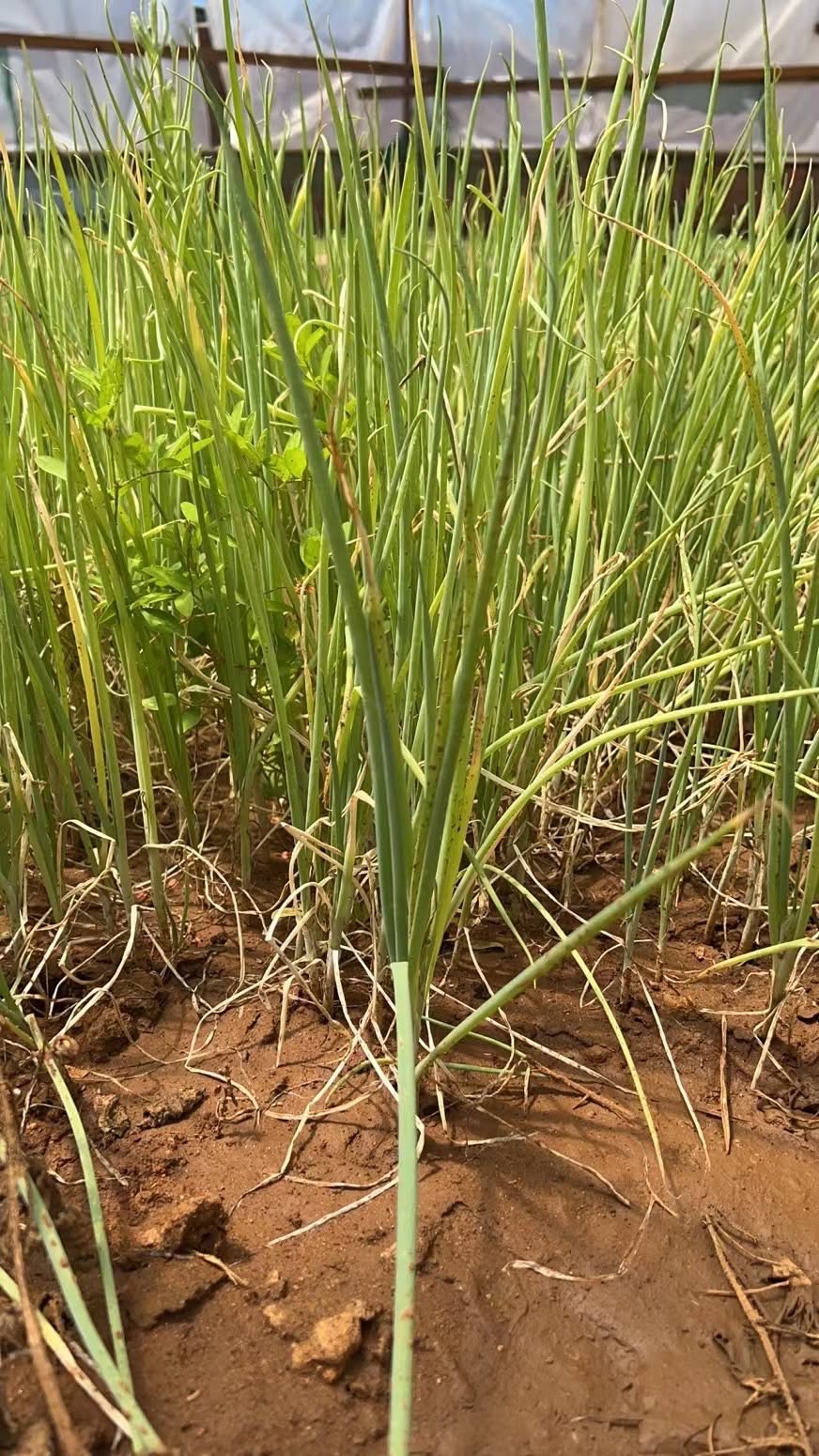
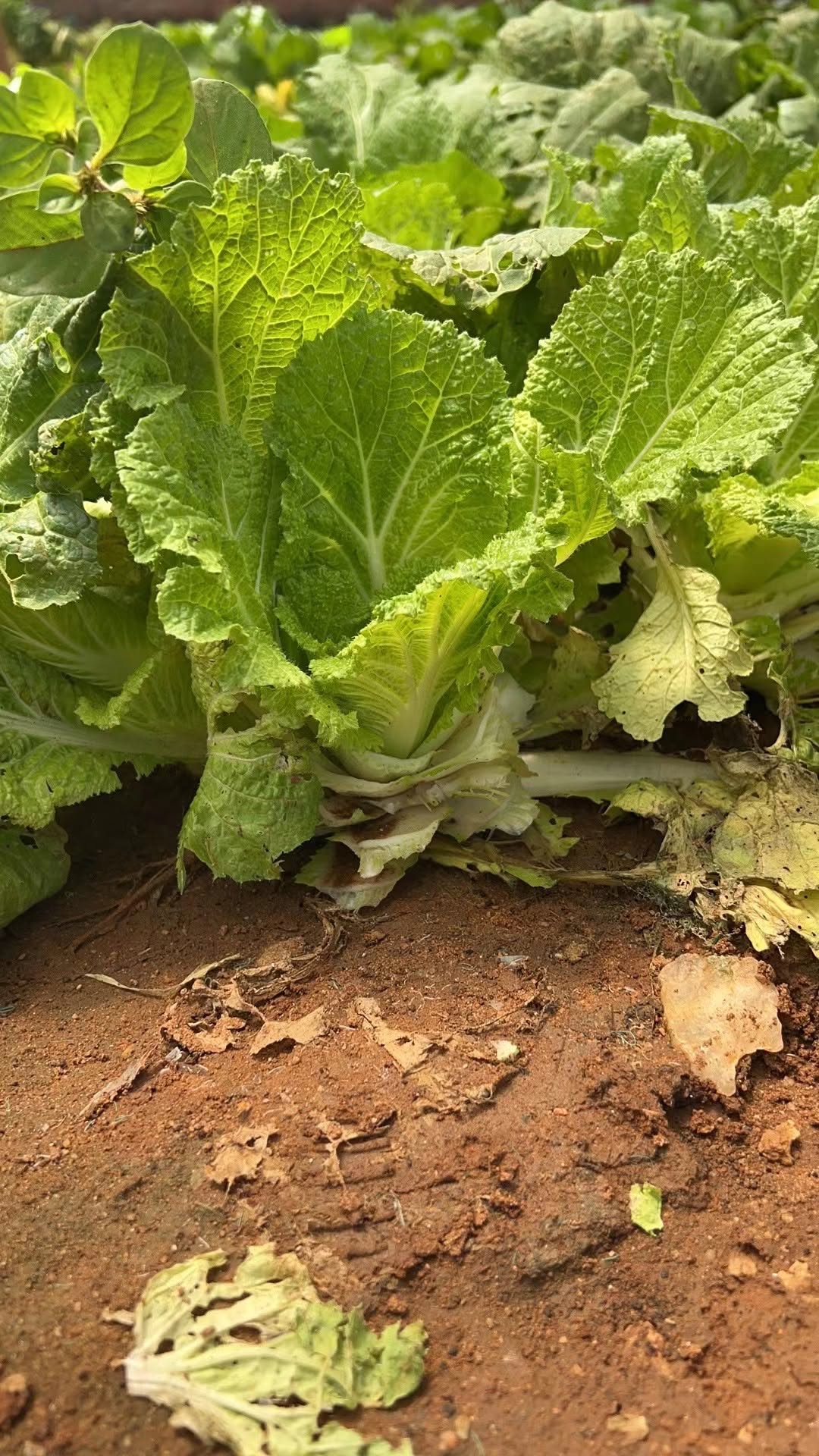
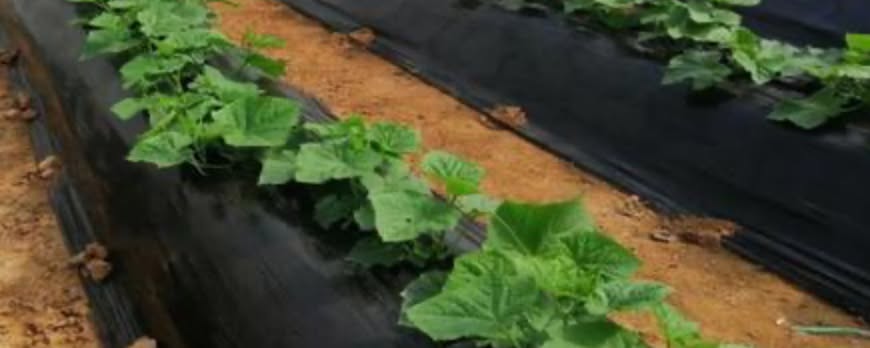
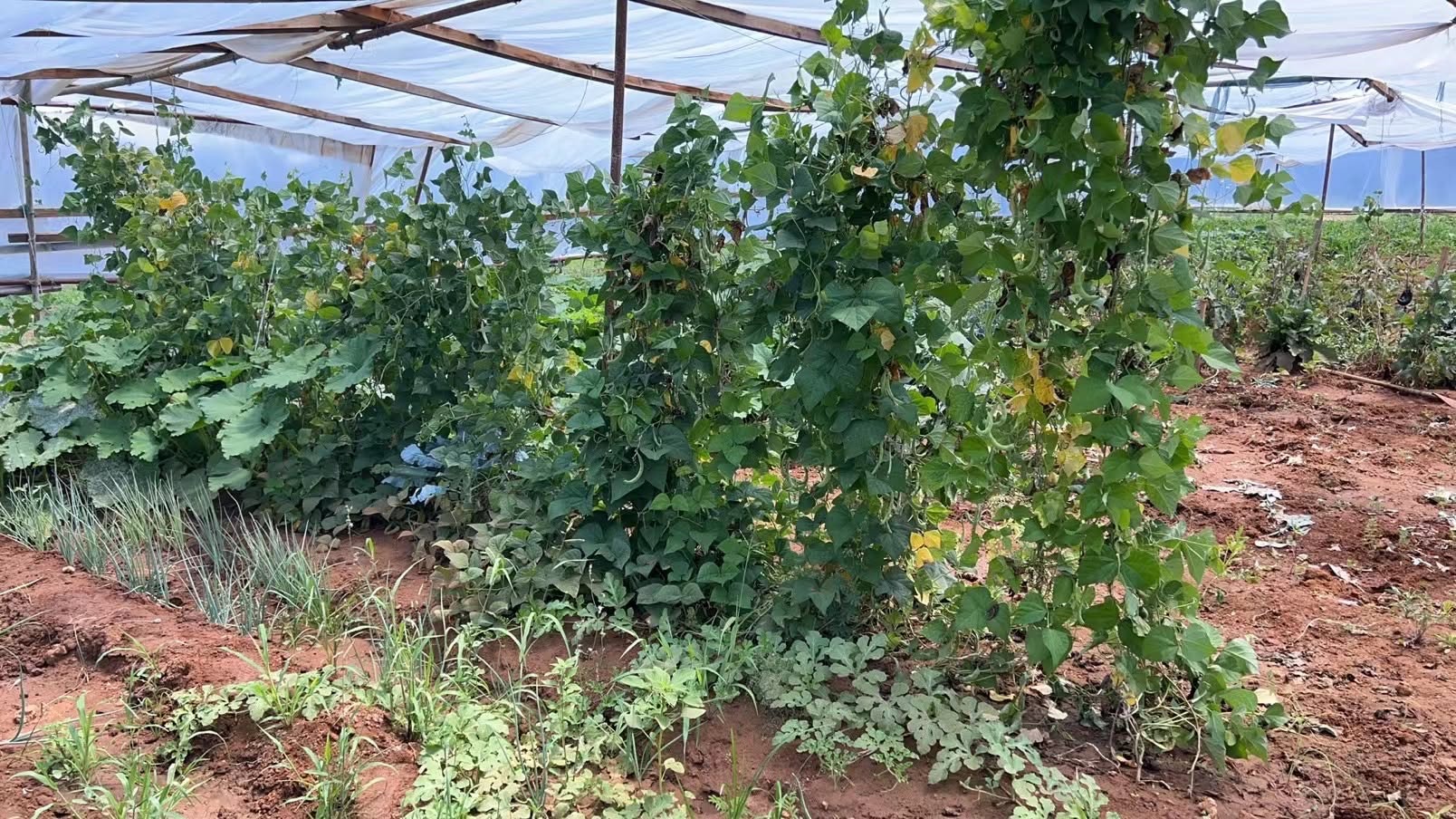
Crops from our trial beds in Namibian red soil: brinjal, spring onion, Chinese cabbage, climbing beans and cucumber.
Request a quote
Tell us what you need and where it should go. We reply within one working day.
- Phone+264 81 381 0268
- Emailsales1@hafapeak.com
- PostP.O. Box 347, Okahandja, Namibia
Request sent
Thank you. The right team has your request and will reply within one working day. If it's urgent, call +264 81 381 0268.